























«ARMENIA AGAINST ROME»
(Part 1)
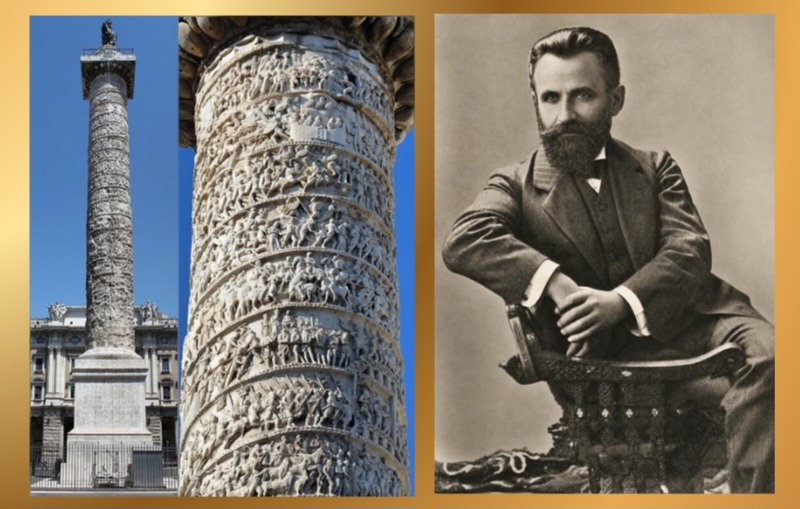
The writer, publicist and political figure Avetis Aharonyan, who spent his childhood and his youth in Igdirmava beneath the «mysterious gaze» of Masis, was in Paris in 1919-1920, at the Peace Conference, together with the members of the two Armenian delegations,
in order to present the struggle of the Armenian people and its just claims.
The intellectual, conscious of the importance of self-knowledge, everywhere raised his voice upon the questions of the Homeland, of Armenian culture and of the preservation of national memory.
In the course of his journey in Italy he delivered to his readers, with an eloquent pen, the reflections that came to him in Rome before the column of Marcus Aurelius.
That monument is a fragment of the heritage of ancient Rome, and it is also a testimony to one of the periods in the millennia-long history of the struggle waged by the Armenian people.
In the entry below we present the first part of the chapter that concludes Avetis Aharonyan’s travelogue «Italian Sketches», written in a vivid and emotional style, which was published in the magazine «Hayrenik» (1929, April, no. 6).
The continuation is in the following publications…
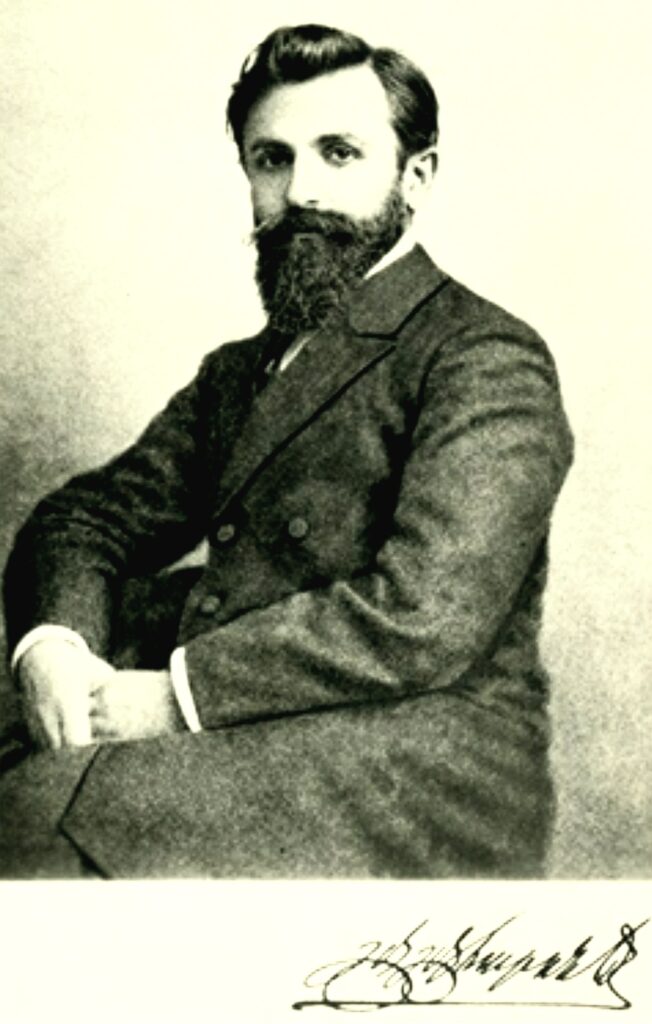
ARMENIA AGAINST ROME
Written by A. AHARONYAN
1.
ARMENIS DEVICTIS
I found Armenia in Rome: my brave, my valiant and mournful homeland.
This was no surprise to me. Ancient Rome knew geography and loved to forge history beneath very distant horizons. Armenia did not remain unknown to it, any more than many other countries of the Near East did.
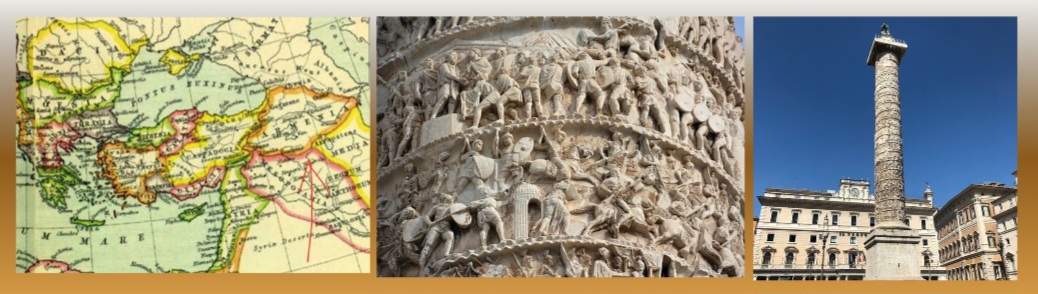
I saw Armenia upon the triumphal column of Marcus Aurelius.
And so I dedicate this last chapter of my «Sketches» to the old and the new, the evil and the good of our world. (This series of articles forms the last chapter of «Italian Sketches», which we judged it fitting to publish under a separate title.)
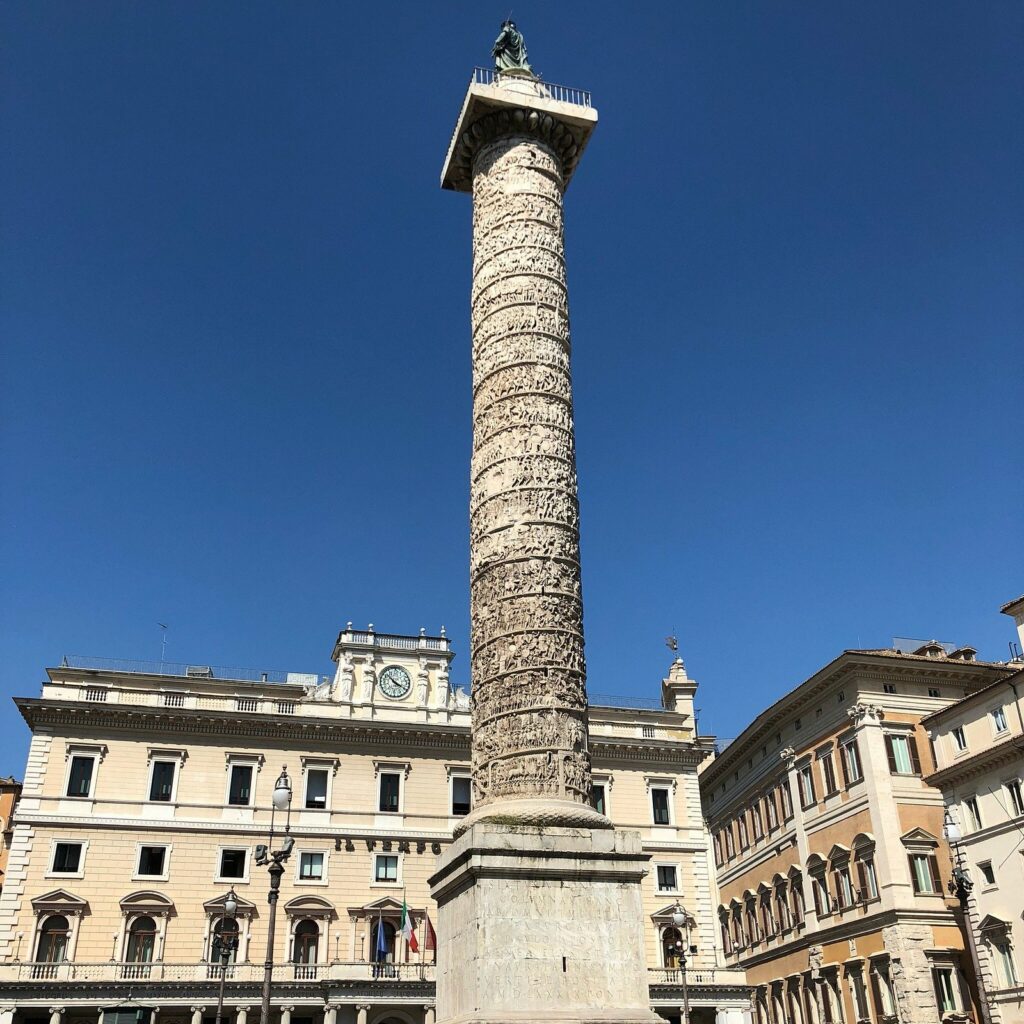
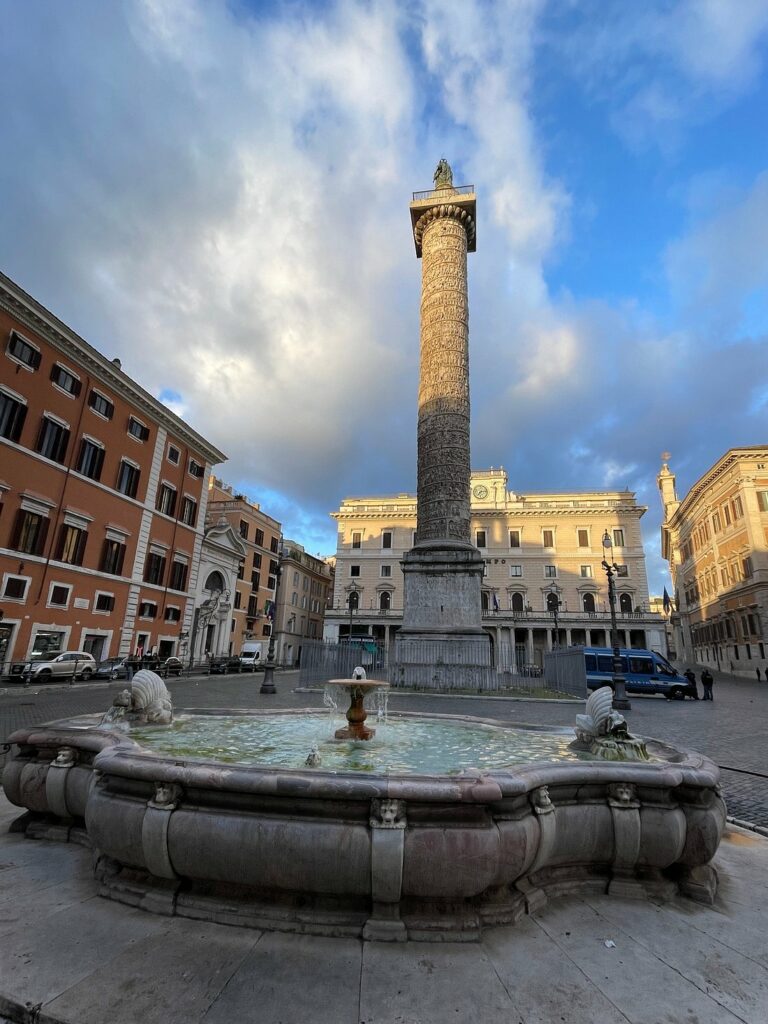
For two weeks now I have been roaming about this magical city, and my steps lead me almost mechanically towards the Piazza Colonna, where since the year 176 there has risen the triumphal column of Marcus Aurelius, dedicated to the memory of his father Antoninus Pius. The Roman Senate erected it in order to immortalize the glory of the philosopher emperor and the memory of his spiritual father.
This marble column is twenty-six metres high, and upon it, in serpentine reliefs, the images of the victories of Marcus Aurelius stretch upwards. At the summit there stood at first the statue of the emperor, which Pope Sixtus V took down, setting in its place the effigy of St. Paul.
The art of this monument is the same as that of all similar structures in Rome –
massiveness, a want of grace and severity of taste. What draws me, however, is not this column itself so much as the inscription carved in large Latin letters upon its pedestal, with its mention of the Armenian and of Armenia:
M. AVRELIUS IMP.
Armenis, Parthis, Germanis,
Bello Maximo devictic
Triumphalem Hanc colomnam
Rebus gestisinsignem Imp.
Antonio Pio patri dedicaviti.
Which means approximately the following..
«Marcus Aurelius Imperator, having vanquished in the supreme war the Armenians, the Parthians and the Germans, dedicated this triumphal column, a glorification of the deeds he accomplished, to his father, the Imperator Antoninus Pius».
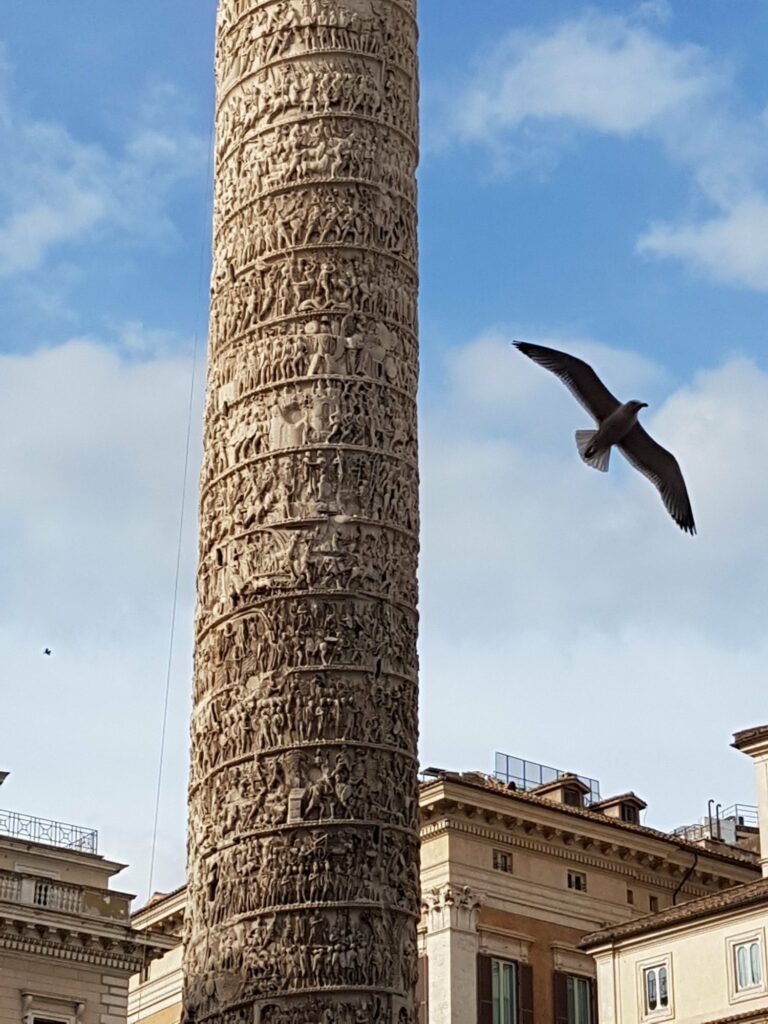
Armenis ! …
What a terrible abyss is the human soul, with its hidden longings unknown to us, which flash out unexpectedly and all at once upon our inner darkness, like thunderbolts furrowing a sombre sky. And how unhappy it is, that soul, which often writhes in silence from a dark, tormenting pain, while we, believing it long since worn away and soothed, smile at the world and at life. Unhappy and mighty at once, since, hidden from us and independent of us, it is the master and the governor of our inner world: the source of our thoughts, the ruler of our will, which, alas, we wretchedly suppose to be free and independent.
It has roads foreign and unknown to us, along which we walk obediently, against our will, and when we pass through its crossroads we hear with astonishment the ringing of footsteps beside us – we, the eternal pitiful wayfarers.
And our life proceeds always along paths hidden from us, which we imagine that we ourselves have traced.
How many, how many times have I seen this Piazza, and always upon a new pretext, but in truth in the depths of my soul one single magical word has kept sounding: Armenis ! …
The bustle of the crowd, the rumbling of carriages, the shouting of the newspaper sellers, dust, jostling, and I alone in the centre of this square, my gaze fixed upon this enchanting column.
What witchery, what an exquisite dream, what glory, rising from the depths of the centuries beneath this smiling sky, amid this human din. The image of an intimate kinsman that suddenly rears up before you; the sweet lullaby of your aged mother, which this time sounds like a heavenly melody. My soul, obedient to that voice, huddles against the cold marble like a homeless bird, to warm itself with the warmth of old memories. I am stirring the ashes of my native hearth; I read again and again.
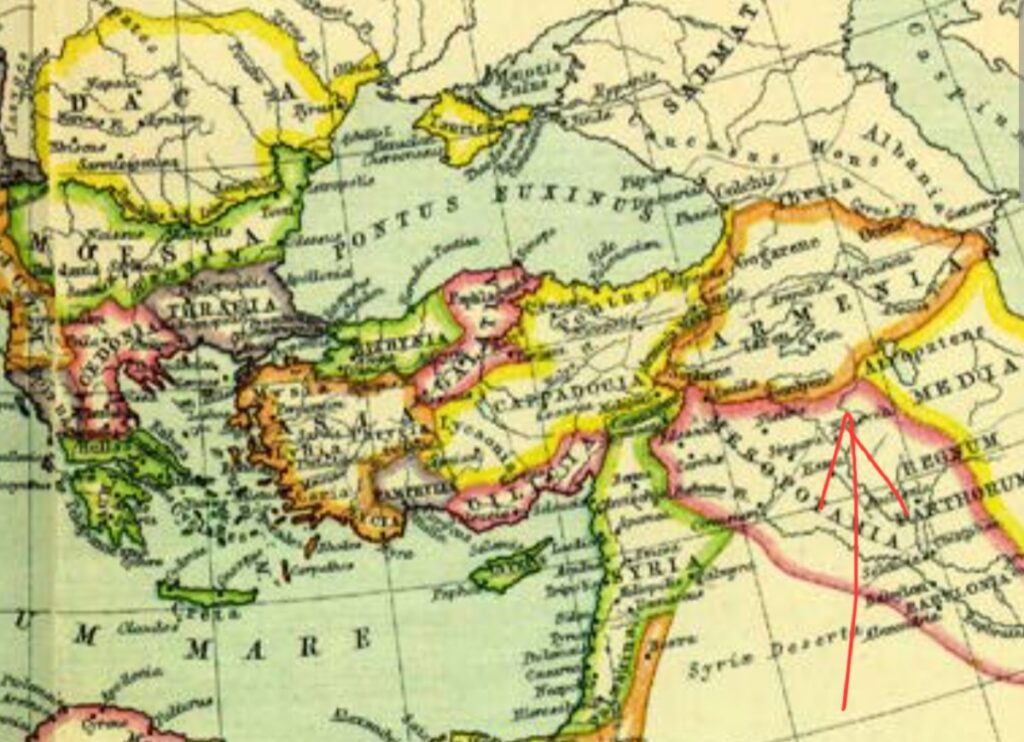
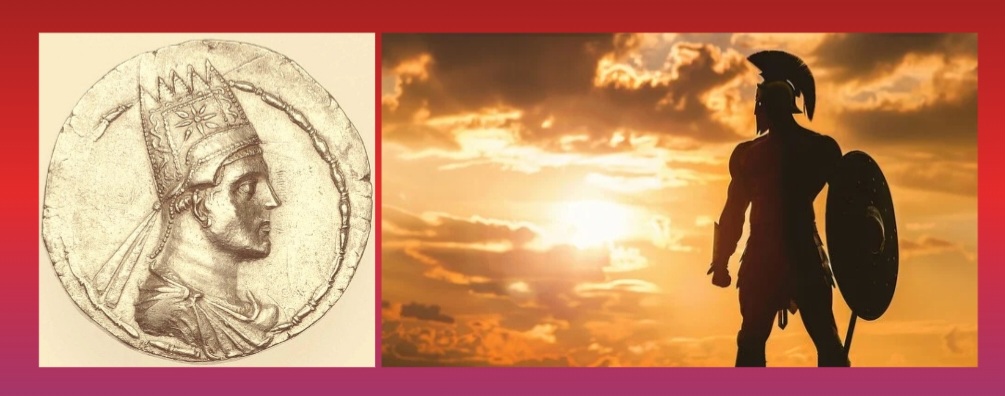
Armenia ! … my sweet, my immortal homeland, that one day measured yourself against the terrible might of Rome. And against whom did you not stand in battle? Against which world-conqueror, which tyrant did you not rise up, for your just, everlastingly radiant conscience and for the freedom of your unstained arms?
Armenia… my unhappy homeland, our present is a nightmare after so many glories; it is a shame upon us, the generations now living…
To what have we come? The Armenian who once clashed with Rome has, because of the barbarous Turk, nowhere in all the world to lay his head.
Armenia, Armenia, the Armenia remaining from those «terrible and illustrious» (Khorenatsi) giants – an enchanting music sounding out of thirty centuries…
Around me the panting life of the great city seethes and groans like one in agony. Its yesterday
and its today confounded together, this people has a kind of convulsive tremor that shakes it with dreaming and audacious longings.
Obedient to the voice of their native ruins, many gazes are turned towards the east. The passers-by salute one another like the Catos, the Pompeys and the Caesars, extending the right arm towards the distant horizon.
Behind me is the Consulta, the ministry of foreign affairs, where there sits a man with muscles of iron, with full and powerful jaws and a will of bronze, who shows his fist to the West and smiles at the East…
I know that diabolical agents have arrived from Angora; after defiling, devastating and bloodying the whole of the Anterior East, they have hastened to the new Rome to understand the meaning of this salute of the ancient Roman arm…
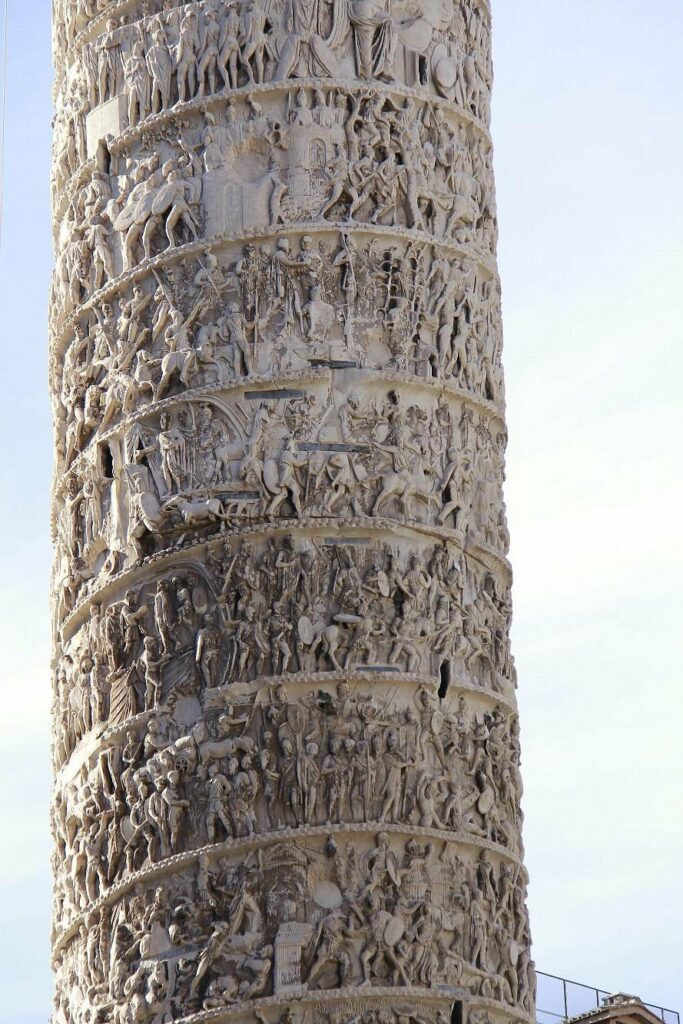
My mind has become a whirling river which, beating «century by century», carries within its surges so many glories and so many collapses. Triumphant ascent and calamitous fall, military onrush with storm-breathing steeds, and the sting of history; the blossoming of new vigour and new life upon the graves of enemies, and the fresh devastation wrought by barbarous hordes…
And the nations pass in rows before my eyes, like forests uprooted by a tempest, and they rush over our land, now shattered beneath the blows of our armies, now walking victorious upon our backs. There is in the world no history more tragically great, more terrible in its depth, more stupefying in its upheavals, richer in the sinewy convulsions of the will of a race and forged with iron vigour, than ours.
The rhythm of the life of the Armenian land is the measure of universal history. The impiety of nations and the inner worth of their conduct were revealed in our land.
Agents from Angora have arrived in Rome…
The Roman soldier who shattered the golden statue of our Golden Mother Anahit, according to tradition, withered away. Is this true? I do not know.
But it is known that Marcus Antonius, the true author of that sacrilege, paid for that crime as he deserved. The Turk, who devastates and profanes tens of thousands of temples and memorials, and this dull-witted and savage race, which destroys by the million those human temples not made by hands, are they then to remain unpunished… I do not know. Agents have arrived from Angora in Rome, to understand the worth of its new salute…
And I read once more:
Armenis … devietis … «The Armenians, vanquished». I read, and I do not blush in the least at this defeat of my great forefathers, for before us stood Rome, which had never been vanquished. And then, in this reverse we have as companions in fortune the formidable Parthians and the ever-ferocious Germans.
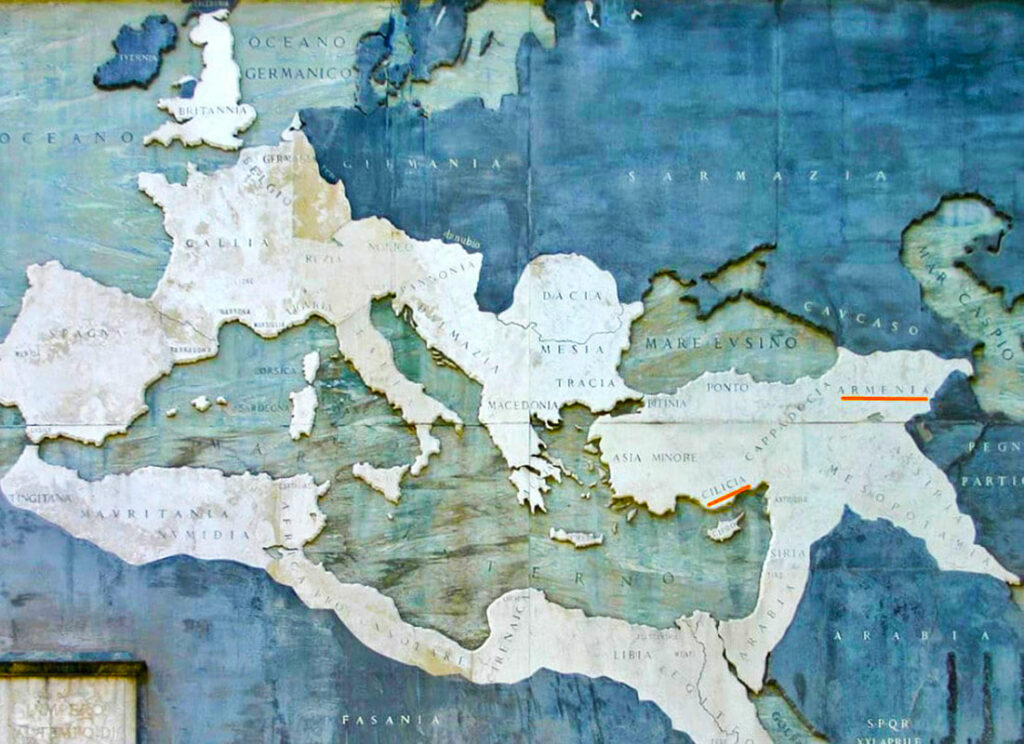
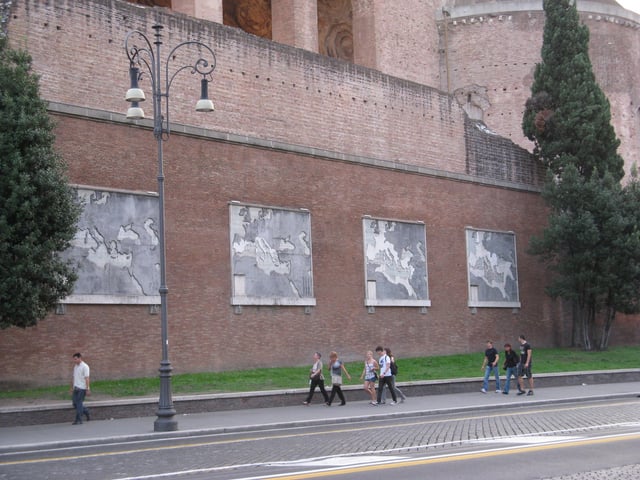
And why these alone? From the British isles and Spain as far as Persia, Mesopotamia and Arabia, and of all the nations perched around the Mediterranean, which one withstood the might of Rome? Which one did not bend its back before its legions and its law?
Which even among today’s great nations has not tasted the severity of Rome’s dominion?
All of these without distinction, all in their turn, for centuries breathed the dust from the feet of the Caesars’ steeds and felt the weight of their hooves upon their backs. And how many of their princes passed in chains along the via Sacra, lending splendour to the processions of victorious generals, and went to be sacrificed in the temple of Capitoline Zeus.
Gauls, Germans and Britons by the thousand, in the course of the centuries, served in the circuses of Rome, on a par with barbarians, to amuse the crowd. A little further on we shall see that in those same days Armenia, «exceedingly small in number», like its own sacred native river Araks, always remained «a caster-down of bridges», even in the face of Rome’s crushing, universal might.
To be continued…