
























ARMENIA AGAINST ROME
(PART 6)
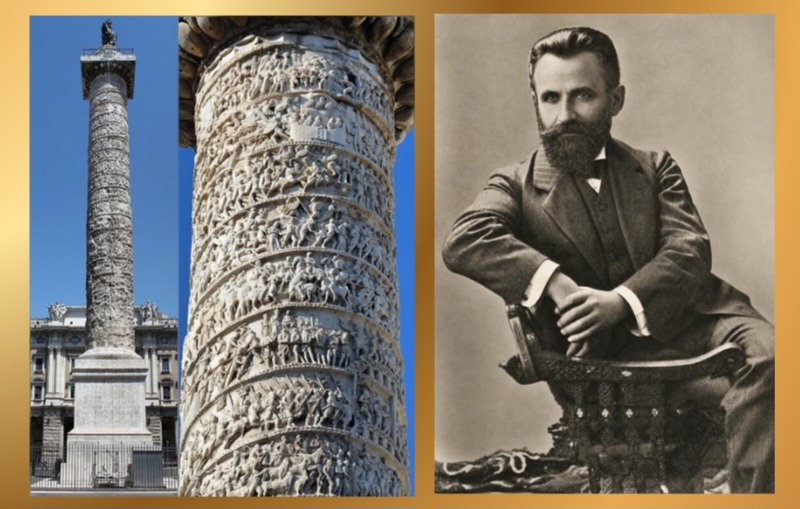
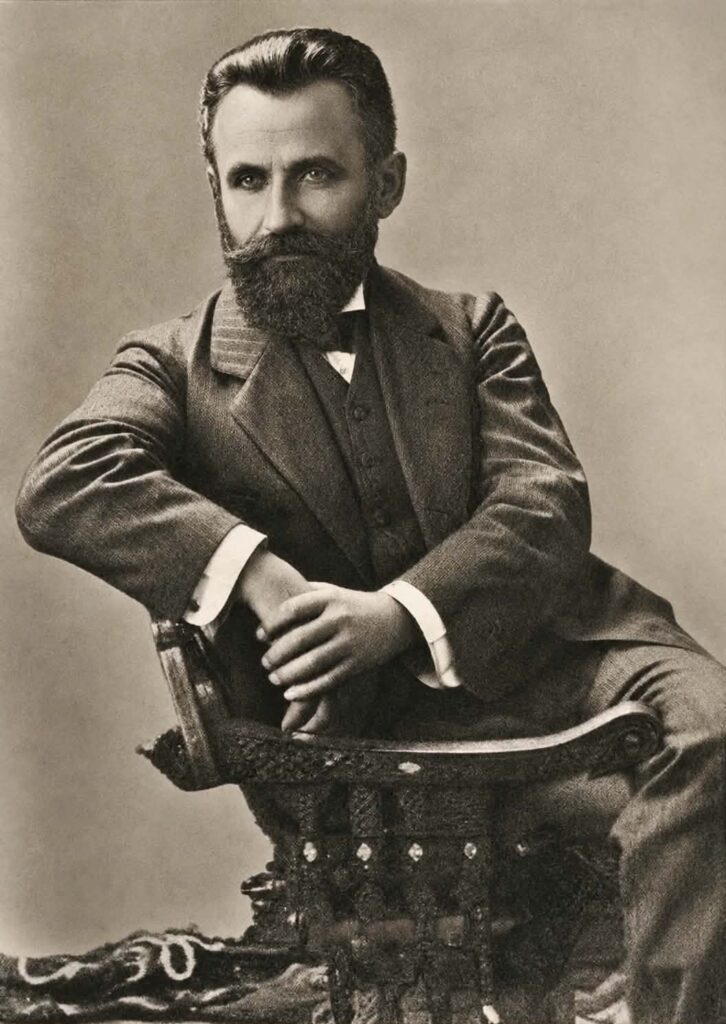
«Just as in the works of Shakespeare, in Rome we seek ourselves, the mirror of our own being. And perhaps that is why it so bewitches everyone»… (Avetis Aharonyan)
Standing in Rome before the column of Marcus Aurelius, Avetis Aharonyan set down his reflections, the last part of which we present below at last.
The beginning is in the preceding publications…

6.
DOES HISTORY REPEAT ITSELF?
This is an old and grievous question, and always with differing answers, according to the conditions of place and of time.
This wretched history repeats itself to the degree that the human creature who fashions it repeats himself as a social factor – with his blind passions, with his emotions, with his instincts now destructive and now constructive, now with the riches of his soul and now captive to the fury of his accursed matter.
Destructive and unbridled whirlwinds and tempests and so many merciless collapses follow one upon another, as do radiant, exquisite dawns – out of the eternally storm-tossed bosom of one and the same nature.
I do not know about other times, but with this past war it seems that before our stunned gaze the events accomplished two thousand years ago came to be told over again, so that the new generations, rebellious after the torpor of the centuries, might live through the whole shudder of life and of human destiny.
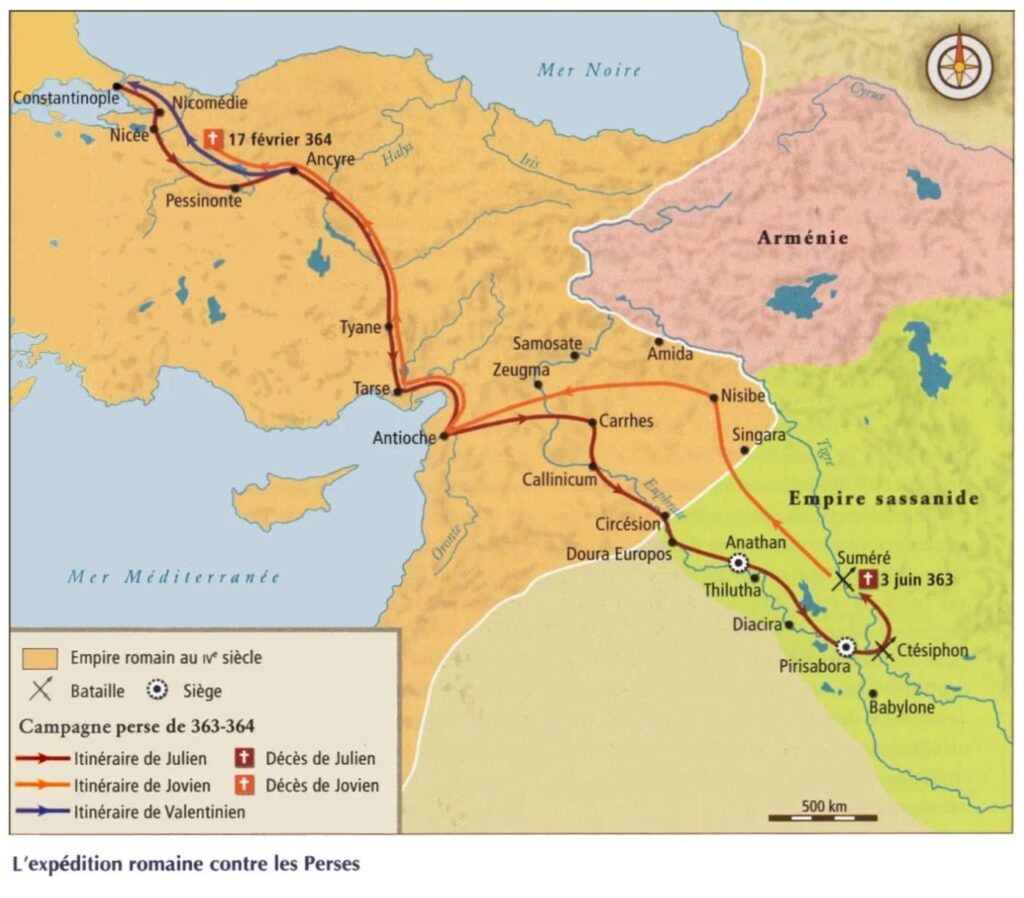
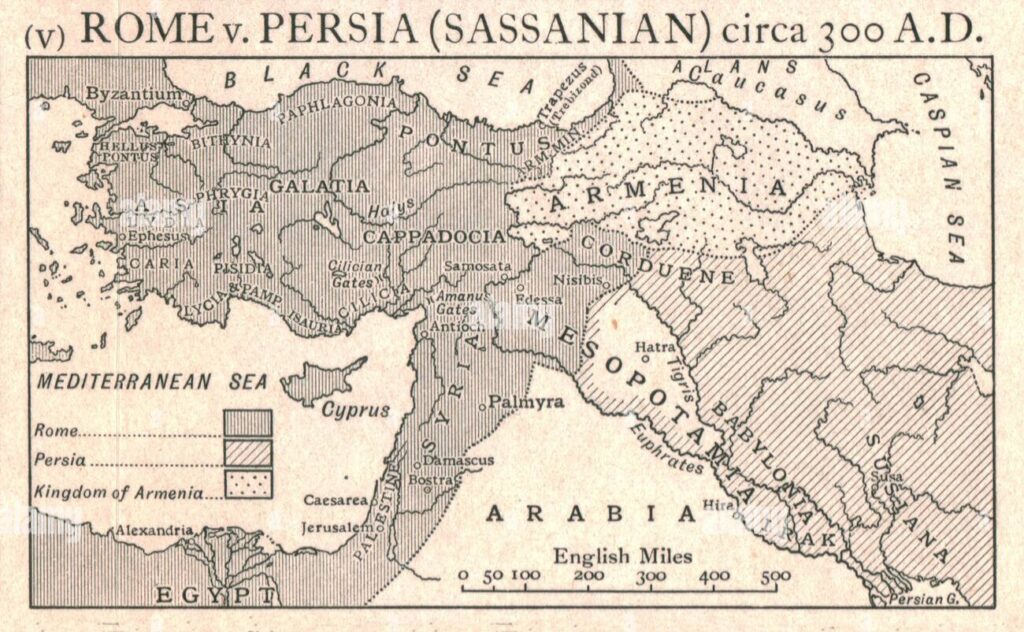
Indeed, the first clash between Armenia and Rome and, in general, the development of the mutual relations of East and West in those times is a disheartening reminder of the political and economic interrelations between the great imperialist states of our own day and the small nations that strive for independence.
Let us set aside the question of history repeating itself; but after seeing all that we saw and lived through, how can we not say, with sorrow and soul-wearing bitterness, that two thousand years of high civilization, borne upon the wings of the wondrous doctrine of the «Great Crucified One», have apparently not at all sufficed to cleanse humanity of the density of its original sin, of the pestilential outbursts of its animal nature (atavism), which, like the flood tide and the ebb of the human sea, rise and fall in torrents of blood, and menstruate.
Put today’s great states in the place of Rome – with their covetous ambitions, their perfidious and conspiratorial politics, their plundering, predatory manner of acting, with all their military perfection and capability – against backward or simply less numerous peoples, and the picture will be complete.
Certainly, twenty centuries and more before this, the name «Rome» and «Roman» thundered throughout the whole East, as in modern times the name «Europe» and «European». In the old days in the East, by «Roman» men understood not only force, might and invincible military capacities, but also philosophy, letters, the high arts – in a word, civilization, and above all law and justice, which lent so much allure and grandeur to this wondrous empire risen in the distant West.
The same was true, before the great war, of the name of the European for the peoples of the East, to which was always bound not only the notion of good breeding, of cultivated taste, of intelligence and of military might, but also something else that is hard to define: that mysterious, magical meaning of Europe which, even before its appearance, already morally subdued and ruled Asia from one end to the other.
This hard-to-define, vague, almost mysterious quality of the European – as of the Roman in antiquity – is the notion of human perfection: a new and more excellent apprehension of high morality, of freedom, of right and of justice.
Just as in our own days the civilized West, in consequence of this world war, spread out before the East its complete spiritual and moral bankruptcy concealed beneath an outward veneer, in just the same way civilized Rome, together with the superiority of its force, displayed in Asia Minor a squalid pettiness and a conspiratorial politics unworthy of a great empire, a dishonourable trampling of justice and of right, the devastation and the violence visited upon defeated nations and cities – often in their most merciless forms.
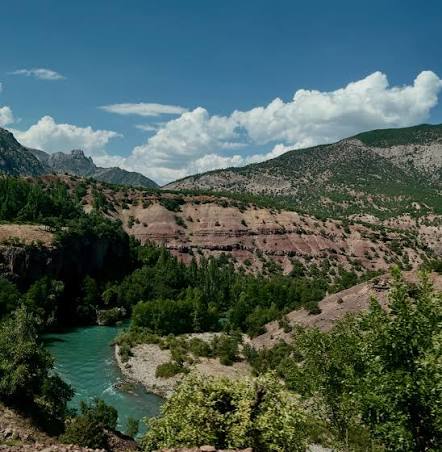
Just as in our times the East knelt before Europe, before the European, from afar, without even coming into close contact, so too in antiquity Armenia and Asia Minor worshipped the civilization of the West. Certainly, by an unforced impulse they turned their gaze towards Rome – until they saw and tasted, together with its might, its boundless mercilessness and its trampling and contempt towards the so-called «barbarian nations».
And just as today, by a wretched coincidence, Armenia lived through most profoundly all the bitterness, all the injustice, all the intrigue and perfidy of that fateful encounter.
And in that time, as now, Armenia received from the West the most treacherous blow, and beheld from close at hand, with loathing, the morality of the rulers of the great empire.
The nations saw with pain and astonishment that Rome’s much-vaunted law and its expression were one thing for the Roman and something different for themselves.
And it seems that the Armenian nation, already in the days of Tigranes the Great and his immediate successors, saw the very same disillusionments that we see – we, the living generations – through the baseness of the Allied powers.
And yet twenty centuries have passed since that time…
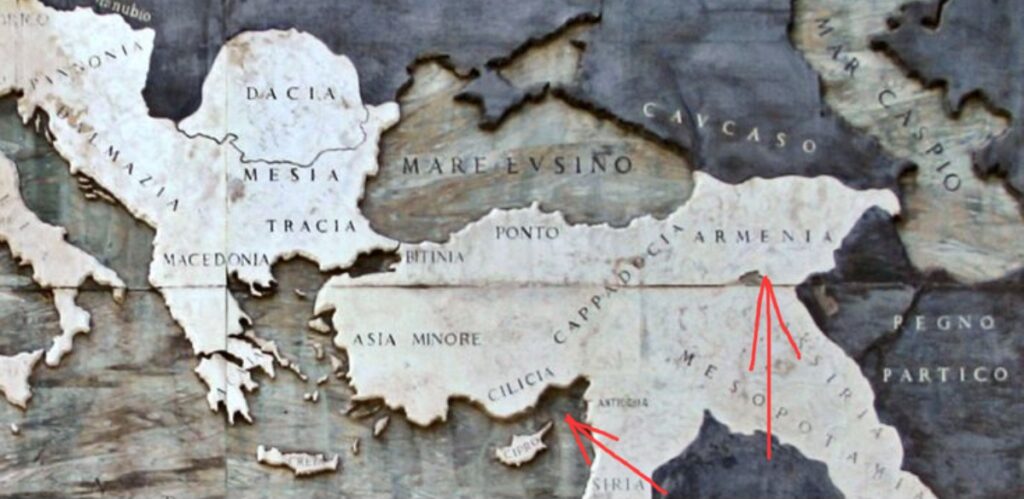
Is there a curse upon this West, that it has remained always unjust, squalid and perfidious, even towards those nations which cast themselves open-heartedly towards the West and its civilization, and whose only shortcoming is that they are not savage and are «exceedingly few» in number?
I speak of Armenia. The unthinkable conspiratorial fraud and baseness committed against us has still not received its full elucidation.
We saw what brilliant possibilities Rome annihilated in the East – and particularly in the Armenian world – by dismantling our state, created by wise and solid Armenian efforts. Thanks to an upright and mighty Armenia, how many later catastrophes, how many miseries would have vanished, and from how many devastations and massacres would Armenia and Asia Minor have been spared!
How many barbarians of Central Asia would have been buried in their sandy deserts, and the fury and the onrush of how many bloodthirsty world-conquerors would have been shattered upon the granite of our mountains; and the Balkans, Hellas and the West in general would not have seen the abominable domination of the Turkic-Mongol hordes, who for whole centuries thrust back every possibility of civilization in those flourishing lands.
It is not in vain that from the Caspian Sea to the Mediterranean the shoots still rise with difficulty to this day, that the annihilated forests are still only now putting forth new tendrils, and that the mother soil still groans from the blows dealt it by the yatagans.
The devastation of Armenia – like a divine vengeance – became the devastation of the whole East. And in the 15th century Byzantium met exactly the same fate as Armenia, with its marvellously built capitals.
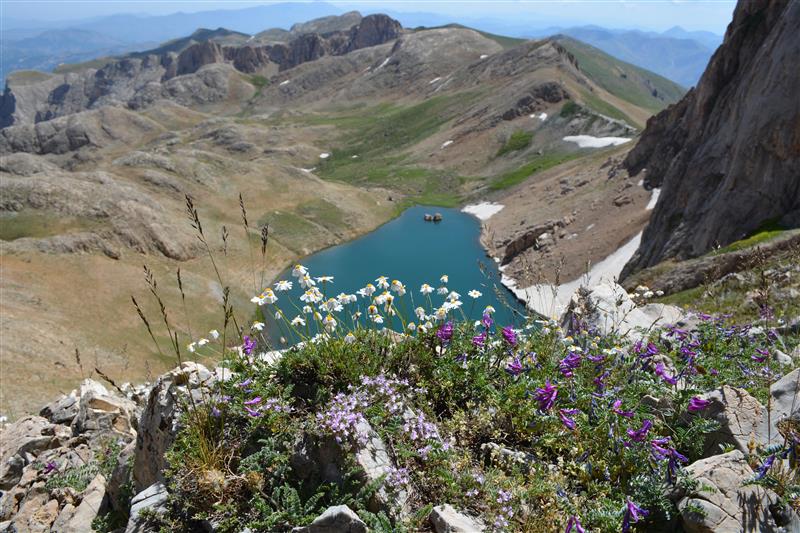
I have said that the whole measure and depth of the Allies’ intrigue and baseness against Armenia has still not been fully brought to light.
By the turn of history and of fortune, Armenia became the vanguard of the civilization of the West, and the guardian and the leader of the Aryan spirit and of the Aryan peoples in Asia Minor.
Armenia – this little Europe of the East, a kind of advanced sentinel of the West – was unexpectedly abandoned to its fate at the very hour when it stood most in need of help.
To leave the solitary and far-flung sentinel without relief, without help, against enemies storming in from all four sides: that is the sign of the spirit of modern times and the greatest crime of the states that call themselves civilized.
There are injustices that bear within them the germ of a terrible requital.
Rome and Byzantium destroyed Armenia, only to feel in their own turn the weight of the barbarians’ heels.
Will it remain, then, without a terrible requital – this most recent enmity and crime committed against Armenia?
The future history of the world will tell.
For now, what we see is the death of trust and of faith towards Europe and the European. The whole East has already been shaken; and there are millions who grind their teeth and shake their fists at the civilized world. On the Russian steppes there has risen the fearsome Demos, which lays waste and annihilates all those things for the sake of which the Allies supposedly waged this past unthinkable war and these massacres. The gigantic fraud has been laid bare; no one is deceived any longer.
The blood of Armenia cries out for justice…
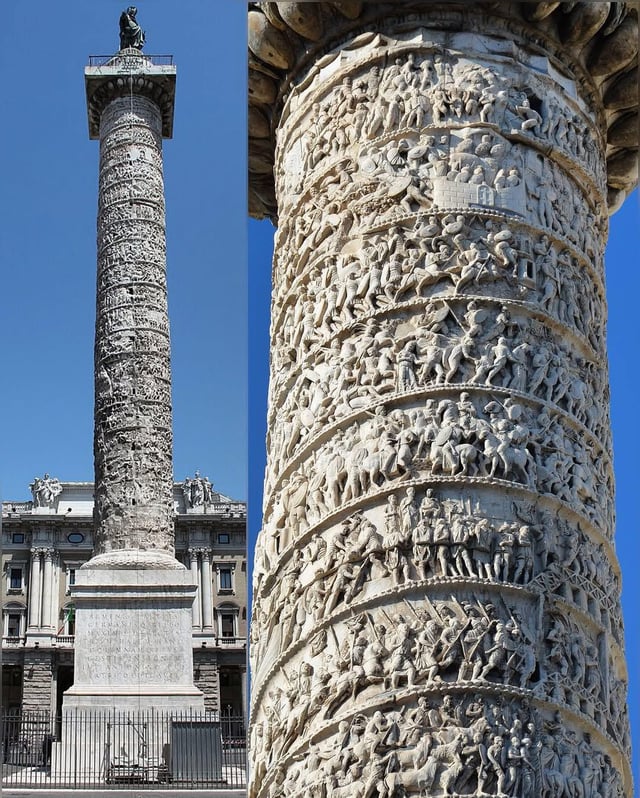
… But I am in the new Rome, standing beneath the column of Marcus Aurelius, and I am stirring the ashes of the old, old memories of my native world: Armenia!, Armenia!, thou forever unforgotten, thou forever sacrificed and ever just, let me believe once more in thy destiny.
(The End)