


















«AS MUCH AS I CAN, THAT I DO»…
Since the most ancient times the Haykazuns, with their wise thought, their reflective word and counsel, have guided the generations, have given lessons of life experience to inexperienced youths and young people — often using profound fables and allegorical stories.
Folk fables have been told from age to age.
«To represent the truth in images» — to reflect reality artistically through profound stories — in the language of fables — through fable-telling. The fabulists — like the sages of the ancient world, continued «the Words of wisdom» — with their brief but edifying speech they educated the small and the great, exhorted them to be circumspect, to face trials by their own labour, relying on their own strength, by personal efforts, without expecting outside help.
In the 11th century Grigor Magistros, in the stories he recorded, presents fables told orally — «transmitted by mouth», sometimes indicating as their source — «we found it transmitted», «it is told» or — «they say among the common folk» — meaning the vernacular, the popular, the gusan tradition. In the same way — «they say among the common folk», he presented the lines of the famous Navasardian praise:
«O who would give me the smoke of the chimney and the morning of Navasard,
The running of the stags and the bounding of the deer:
We blew the horn and beat the drum,
As is the custom of kings»…
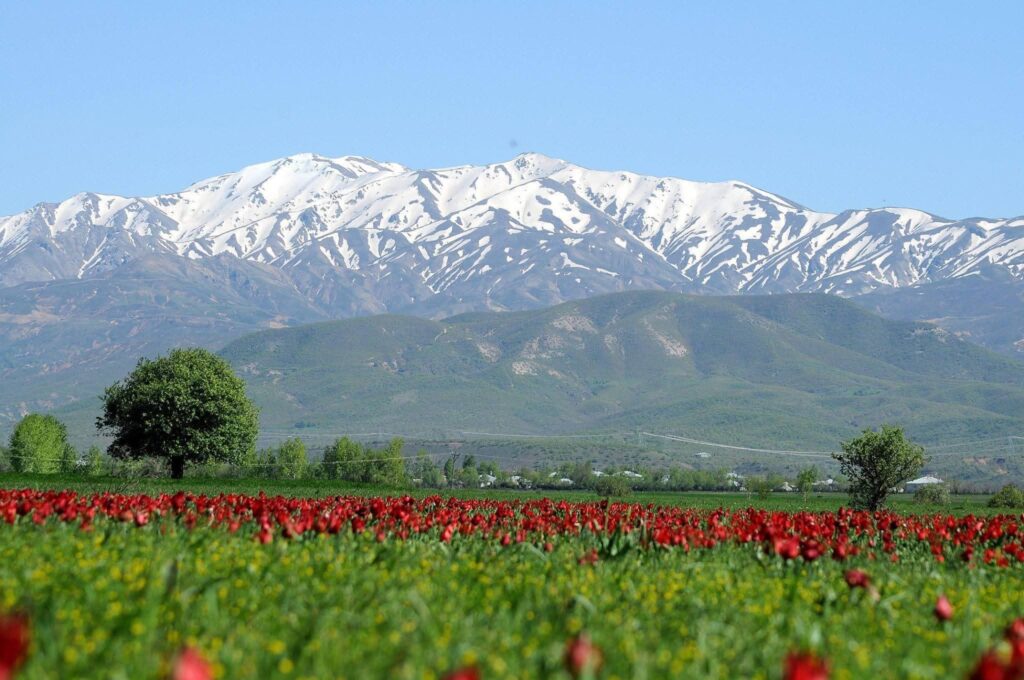
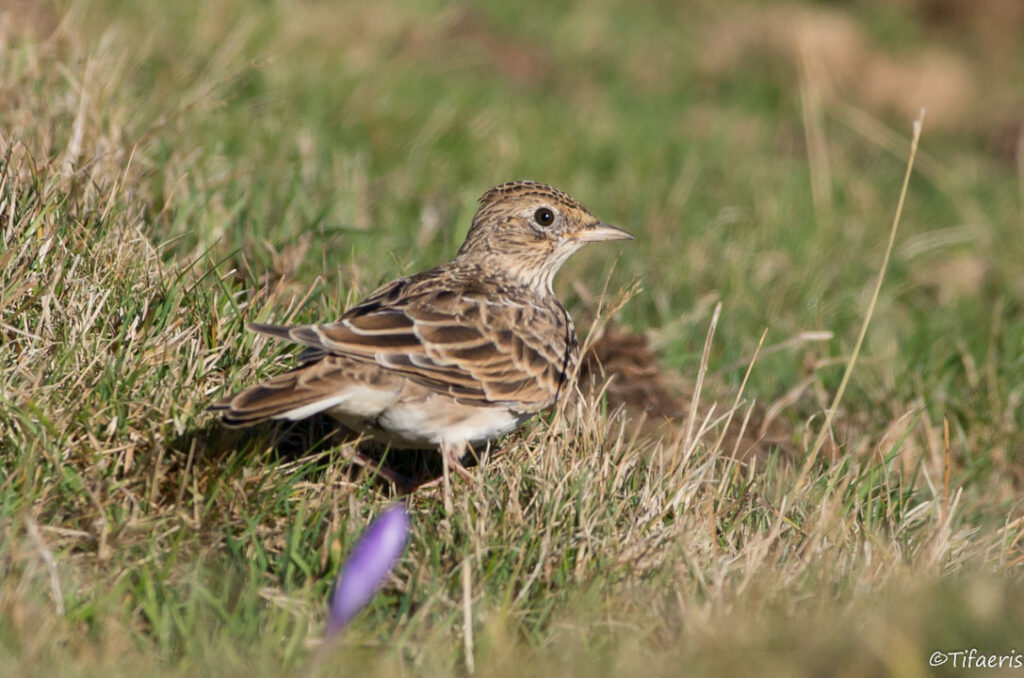
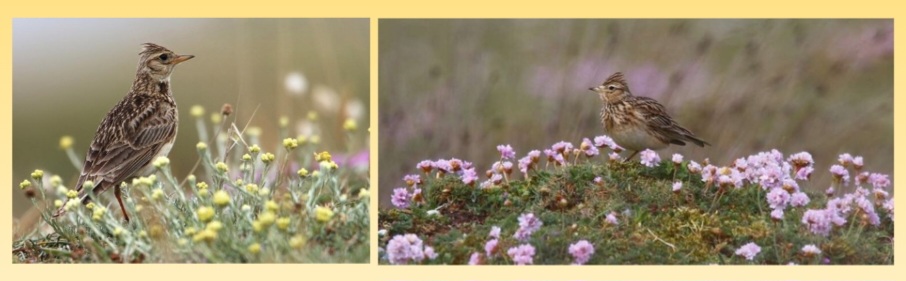
Among such fables coming from antiquity is the story he mentions about «the lark that holds up the falling sky with the strength of its legs stretched upward».
Hearing the news of the collapse of the sky, the lark lies on its back, sticks its legs up and strives to hold up the sky. Those who see it laugh at it and say:
-Hey, sparrow, how can you hold up the sky with your straw knees (with your thin little legs) (in Grabar — «With what straw knees will you rise up, little bird, with your sea of wits?»).
-I am holding up my own share of the sky — as far as I am able (in Grabar — «As much as I can, that I do»),- answers the lark.
The fable shows — that if each one «holds up his own share of the sky», it will not collapse and destroy everyone (the effort each one contributes to the common cause according to his ability brings a useful result).
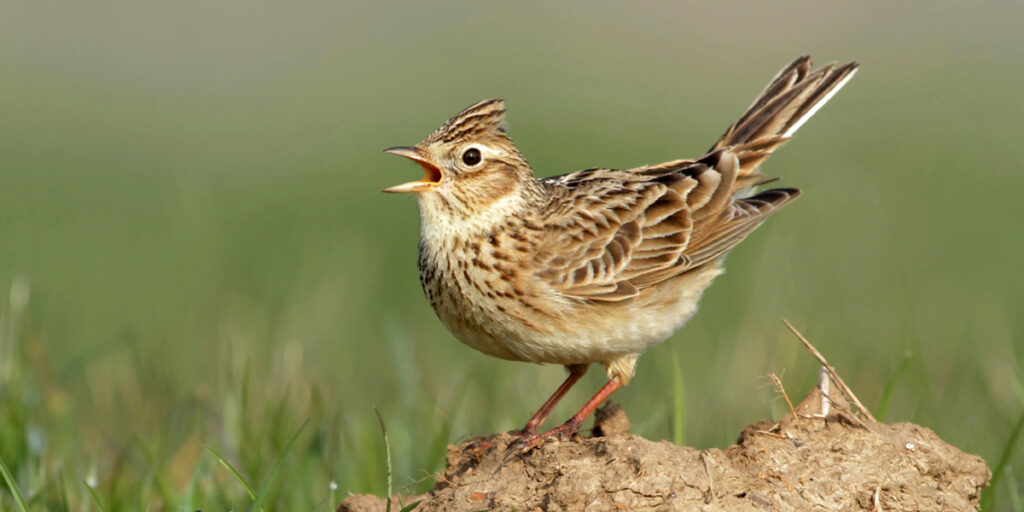
The Armenian Ancestors also often recalled another story with the allegory of the lark.
From Aesop to La Fontaine, Khachatur Abovyan and Khrimyan Hayrik — there has resounded the fable of the lark that foresees the coming of the owner of the field in order to move its chicks out of the field of ripe ears at the right time — stressing the idea of relying on one’s own strength.
«The lark bird, which has perhaps taken this fitting name from eating the field, having placed its nest in a field of ripe ears, hatched chicks. The far-sighted mother always instructed her chicks to listen to the owner of the field — to what he says, when he comes with his son to see whether the time to reap the field has come. The first time the chicks listen and tell their mother that the father says to his son: «My son, the field is close to ripening, go, speak, let our neighbours come to help us, let us reap the field together».
The lark answers: «Stay carefree for now, since the owner of the field is waiting for the help of the neighbours, this field will not be reaped». Hearing the second time, the chicks tell her this — that the villager was saying to his son: «The neighbours did not come, at least invite the relatives».
The clever lark again repeats the same: «Be calm, my chicks, if the work is left to the relatives, the field will never be reaped».
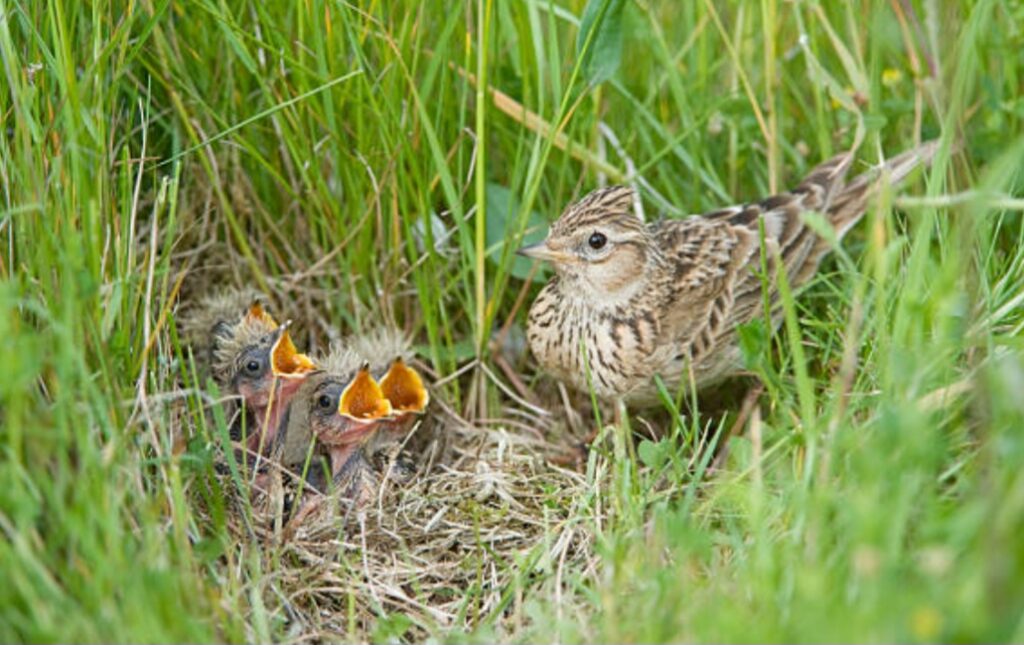
The third time the chicks tell that the owner of the field, crying alas-alas, was saying to his son: «My son, you and I will take our sickles, and we ourselves will reap our field: it is useless any longer to wait for the neighbours, the relatives».
The attentive chicks, when they tell this last word to their mother, she answers: «Now I truly believe that the field will be reaped, I must move you» (Khrimyan Hayrik).
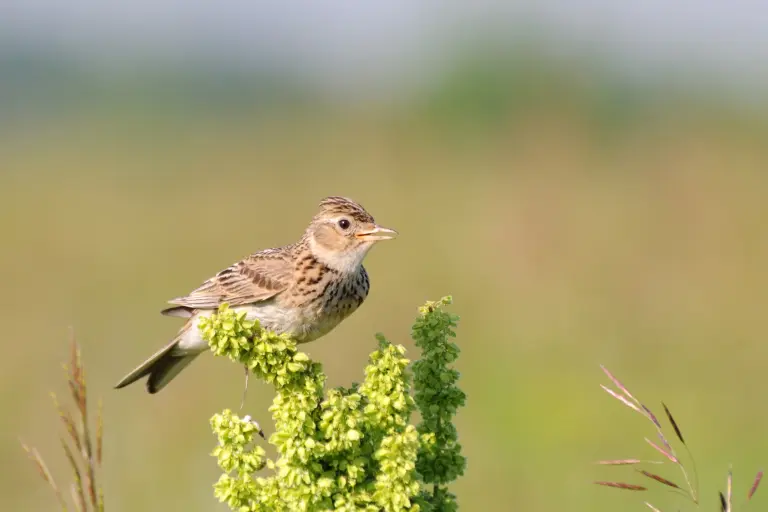
The said fable — by the pen and with the counsel of Khachatur Abovyan:
«Trust your friend’s word,
Yet stand firm in your own affair»…
THE LARK WITH ITS CHICKS AND THE FARMER
There is a saying of old.— Your friend’s word
Trust, yet stand firm in your own affair.
A very true word it is― blessed be the mouth
That said it: so let us hear the fable.
When spring opened, the days grew sweet,
Mountain and gorge blossomed, fields and plots
Put on their adornments, dressed themselves up.
Flower, scent and breeze took every place.
All joyfully called voice to voice,
The bear in its den, the fish beneath the sea,
The birds in the meadows, on the mountain tops
Rejoiced in their sun.
I know not — was it willingly, or just by force:
A lark bird, minding its pleasure,
Was flying, going, roaming prettily,
No longer thinking that spring had come.
A little more remained, it had to pass.
At last its nature drew it too,
Its heart wished to become a mother of children,
To have chicks behind it and roam about.
What need has a bird of great preparations,
It wants neither a house nor great pomp.
It made a nest in the wheat, laid eggs, sat.
After a few days it hatched chicks.
The wheat ripened, the time of reaping came,
But the chicks’ day had not yet come
To fly, to go, to find food,
They looked to their mother to bring grain for them to eat.
One day, as the mother went away from the nest,
She gave them counsel, and so flew off.
«Stay well — she said — my dear children,
Stay you here, perhaps people
Will come to reap the wheat,
Find out — what they speak, what they say.
And tell me, so I may find another place,
Now I am going to bring provisions».
As soon as she went out, the owner of the wheat came,
Looked at the wheat and said to his son:
«The wheat has ripened, you too can see.
The ears hang heavy in our wheat.
Lose no more time, tomorrow you will go,
You will let our relatives know,
That they come to our field to help us».-
As soon as the poor chicks heard this voice,
They quivered and twittered in fear.
Ah — where are you, our mother, in what place — they said:
Come, hasten, ah — to our cry for help».-
«What has happened», the mother asked.
«What should there be, the owner of the field said,
His son should go to call the relatives,
So that tomorrow the wheat be reaped, finished».-
«Did he say nothing else?», the mother asked.-
For this you need not grieve at all.
Let the day dawn, then you will know.
Here is your food, eat, be filled,
Children, and lie down. You have not eaten bread».-
As best they could, they pecked,
Head pressed to head — under their mother’s wing
They huddled and quickly shut their eyes.
The day dawned, no relative came,
The bird again flew off to bring provisions.
And the poor farmer too came to his field.
He shook his head, and said to his son:
«The distant friend, the near kinsman
How can they be one — beloved son.
Give the name of God, go tomorrow,
Tell your father’s brother and our in-laws».-
A clamour fell among our chicks:
Again they called their mother — that right
At that hour she should come back, find them a remedy.
«Ah — our dear mother — come, ah — come.
The son went to bring the kinsmen».
«Do not make a sound», the mother answered.
«And do not be afraid at all, not at all.
Remember God and stay here;
Let the day dawn, then you shall see,
The kinsman too will have his own trouble.
The cowardly man has many pretexts.
The third time the owner came to his field.
«Oh, what tricks they play on us», he said.
Very well — let this be a lesson to us,
That we no longer put hope in another’s word.
And let us imprint it well in our heart.
That a man’s brother, his friend, is himself,
Go, dear one — tell your mother and your sister,
To take the sickle, to come to the field tomorrow,
«Woe to those — who live on the hope of others».-
When the lark heard, it called its chicks.
«Now the time has come for us to go», it said.
The chicks too at once gathered by her head,
For the first time they spread their wings
And behind their mother, as best they could,
Came out of the field, rose little by little
And fluttering, and chirping
And twittering, and chattering
Cheeping, cooing
Went over the field, passed on,
Reached beneath the cloud, vanished from sight.