«… ACCORDING TO THE FIRST ORDER OF THE ROYAL LAWS HE PUT ON THE HONOURABLE GARMENT»…
Since the most ancient times — «for glory and for honour» — royal insignia — numerous distinguishing marks of clothing, of ornament have been used — as an indicator of the order of «cushion and rank» of the person bearing them.
«Like the pearl or precious stones», which comelily adorn the artakhuyr of kings with its fluttering end and the magnificent crown — «like a ray of light»…
Babken Arakelyan in his valuable study «Armenian figurative reliefs in the 4th-7th centuries», (Yerevan, 1949) writes.
«Of the applied arts of the 4th-7th centuries almost nothing has reached us, though rather extensive literary testimonies concerning them have been preserved in contemporary and later authors:
Princely gold-woven, gold-embroidered garments, crowns, and khoyrs, ornaments, ornate weapons, coats of arms, church vessels, objects of table use – goblets, bowls, plates, small objects of household use, beautiful chased furniture of the house and the church, chandeliers, lamps, ivory and metal bindings of books; the making of all this belongs to the branch of the applied arts:
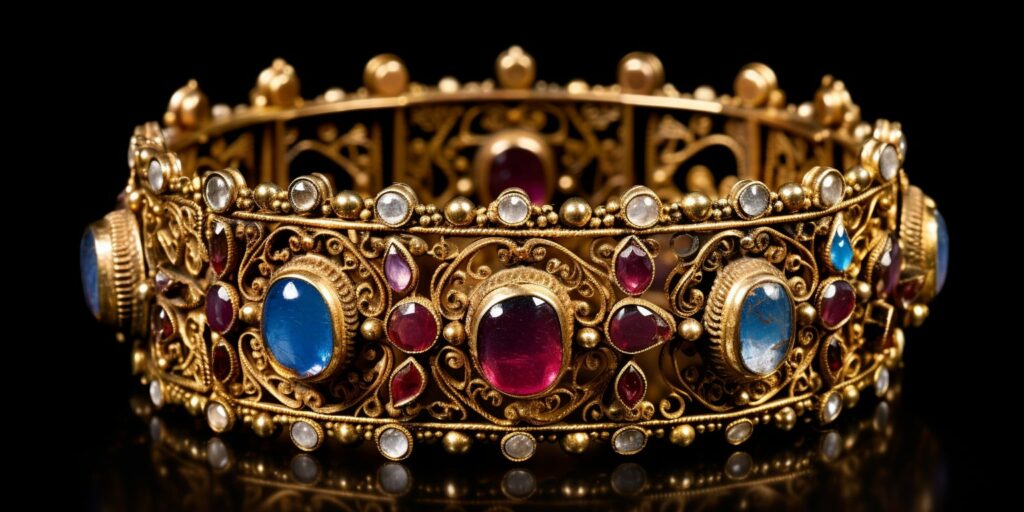
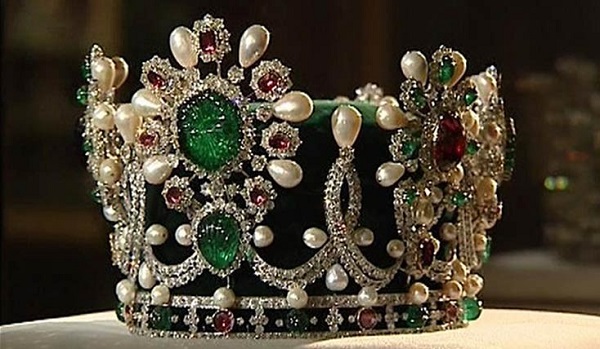
The Armenian royal and princely crowns and khoyrs were made of noble metals and were inlaid with pearls and other stones: Agathangelos testifies that numerous «great-travelling merchants» — crossing sea and land, exposing their lives to danger — engaged in commerce and even brought from India pearls and various precious stones, multicoloured silks, with which they adorned the kings, their khoyrs. «precious stones from the land of India, which for the comeliness of ornament they would adorn the kings in the khoyr of the crown» (Agathangelos’s «History of the Armenians», Tiflis, 1909, p. 6): Or the ray of light of the stones adorning the crowns «makes the kings magnificent in the likeness of the artakhuyr of the crown fluttering at its end» (Agathangelos’s History of the Armenians, Tiflis, p. 7):
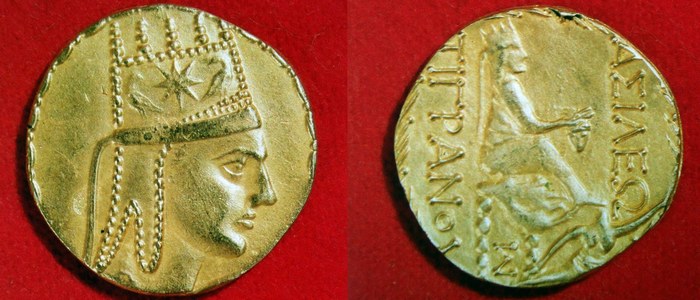
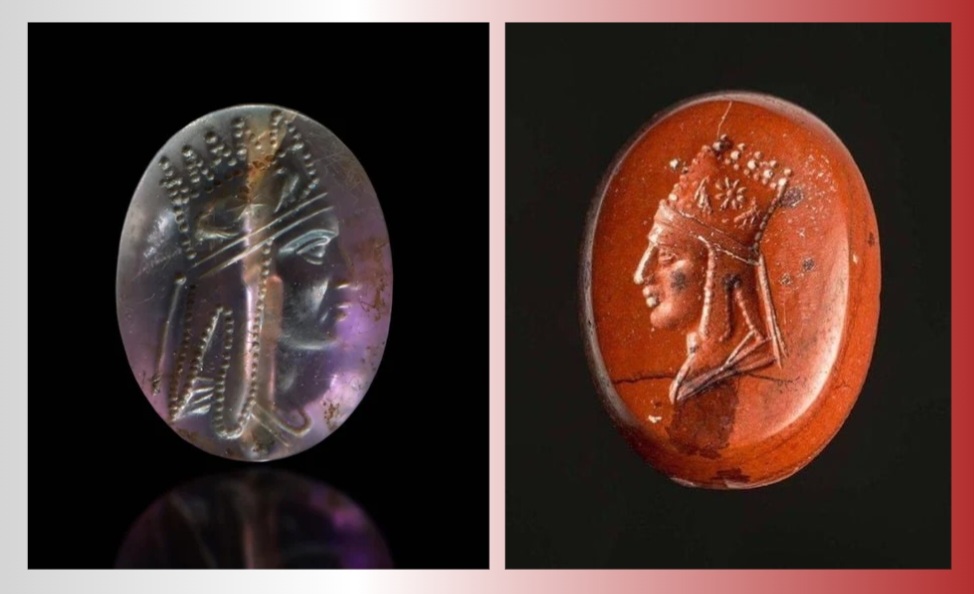
The Armenian crown that has reached us on the coins of Tigran, which was preserved also later, is adorned with pearls, and on the tips of the upper rays of the khoyr large gems are fitted.
By this the expression «the artakhuyr of the crown fluttering at its end» becomes comprehensible.
Ghazar Parpetsi speaks with great sympathy about the work of the craftsmen engaged in the extraction of stones and metals, in their working and in making artistic objects.
«Who (the craftsmen) not only show by visibility, bringing the profitableness of benefits to men, but even more to the abundantly-searching workers teach the benefits hidden under the earth, to amass for themselves profits and the enjoyments of this world for the greatness of kings and for the wealth of tax-collectors, gold and copper and iron and precious stones; which, received by artful hands — they adorn the kings with magnificent composed ornaments, which they inlay into the khoyrs and into the crowns and into the gold-woven embellished garments» (Ghazar Parpetsi’s «History of the Armenians», Tiflis, 1904, p. 10):
In this testimony what is of great value is that the crafts were the source of the magnificence and enjoyment of kings and of the enrichment of the tax-collectors.
According to Armenian custom — the king, when appointing princes to administrative offices or confirming the eldest head of a nakharar house, gave them «honours», which had the form of a diadem, and these «honours» the princes wore on their heads.
The oldest of these, known to us from literature — is the honour of Bagarat the crown-placing knight, which consisted of three rows of small pearls, without gold and other stones, which Bagarat wore when going about at court: (Movses Khorenatsi’s «History of the Armenians», Tiflis, 1913, p. 110):
Later the princes too sometimes had rayed khoyrs of gold and inlaid with precious stones, such as was the khoyr of Vasak Syuni, which he placed on his head after tying the honour: (Eghishe’s «History of the Vardanians», Tiflis, 1904, pp. 197-198):
The historians sometimes describe the royal or princely garments and ornaments corresponding to the royal etiquette, which «were gold-woven, embellished, inlaid» — thanks to artful hands:
The Parthian king Arshak appoints his son Arshak the younger king of the Armenians, whom the knight Bagarat crowns.
The historian describes a few ornaments of the one being crowned.
When Arshak comes to Armenia, then «there goes out to meet him,- says Sebeos,- Bagarat Parazean of the sons of Aramenak, a great nakharar with troops: He offers him a gift of gold and silver; and adorns him with the sndr («sndr» means helmet, vakas — the part hanging from behind the helmet onto the shoulders, according to the author’s note), and with the vakas; crowns him upon the gold-plated jewel-studded thrones; and gives him his daughter as wife» (Bishop Sebeos’s «History», 1939, Yerevan, p. 9):
We find the fuller description of ornaments and garments corresponding to the palace etiquette in Eghishe.
In the year 451 the Armenians rebel against the domination of Sasanian Persia; after the suppression of the rebellion many nakharars are taken captive, while Vasak Syuni — the marzpan of the time, enters the Persian court in the expectation of becoming king — wearing garments and adornments which he had received from the same Persian court.
We bring that interesting description.
«And he (Vasak), according to the first order of the royal laws put on the honourable garment which he had from the king, tied also the honour of the hair and placed the golden khoyr on top, and the hammer-wrought cast-gold belt inlaid with pearl and precious stones he put around his waist, and the earrings in his ears, and the necklace on his neck, the sables on his shoulders, and having put on himself all the insignia of honour — he went to the court, he appeared to the multitude more magnificent and conspicuous than all» (Eghishe’s «History of the Vardanians», Tiflis, 1904, pp. 197-198)»:
(In modern Armenian — «And he (Vasak) — according to the former orders of the court — put on the honourable garment received from the king, tied also the hair-band and placed on his head the golden khoyr, and tied around his waist the hammer-wrought cast-gold belt woven with pearl and precious stones, hung the earrings from his ears, and the necklace — from his neck, threw the sable fur over his shoulders and went to the court. He appeared to the eye of the multitude more magnificent and blessed than all», K. A.).
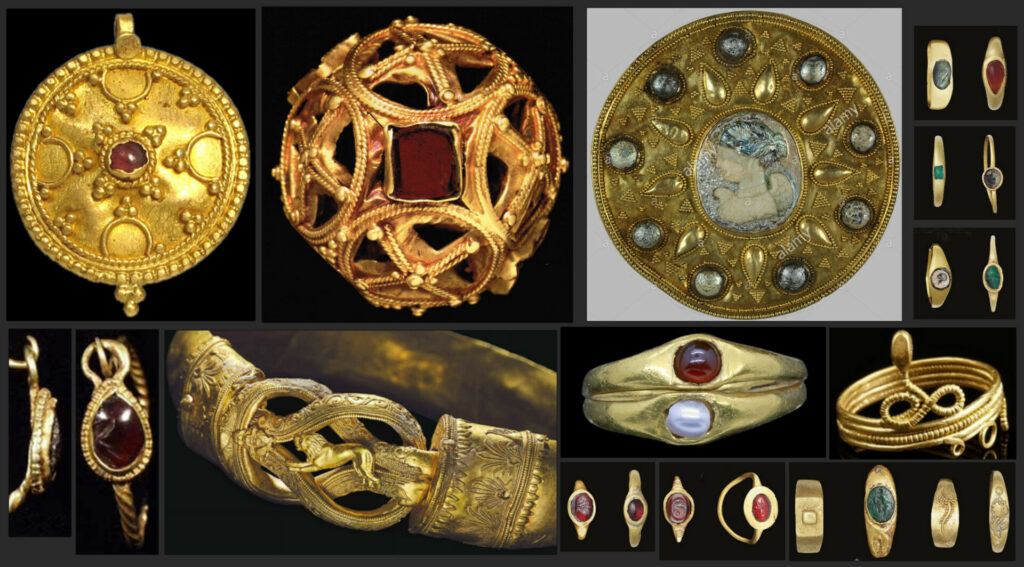
«Here we find the description of the garments and adornments of the first order of royal etiquette, which was accepted at the Sasanian court:
Honours of the same first order were also bestowed on Prince Smbat Bagratuni, who at the end of the 6th century and the beginning of the 7th century was a great state official with Khosrov Anushirvan and had shown great feats of valour and the gifts of a great statesman, as also on the famous Aghvan prince Jevanshir, who in the time of the same Khosrov was the governor of the land of Aghvank:
Khosrov Anushirvan gives Smbat Bagratuni gold, royal garments, a gilded artakhurak and a zangapanak — adorned with stones and pearls:
A second time too he bestows honours on him, on which occasion Sebeos writes: «… the king gives him (Smbat) the lordship which was named Khosrov Shum, adorns him with exquisite things, with a cap and with a robe of fine linen anointed with gold, magnifies him with tremendous honours, with a jewel-studded belt, with a gumartak, and with silver thrones»: (Sebeos’s «History», Yerevan, 1939, p. 66):
«…The historians have also preserved testimonies concerning local artistic objects and garments; the Armenian princes wore silken gold-woven garments. Armenia, famous for its production of silks and having gold and silver mines, which exported its silks to the neighbouring countries, produced artistic garments and adornments locally»…
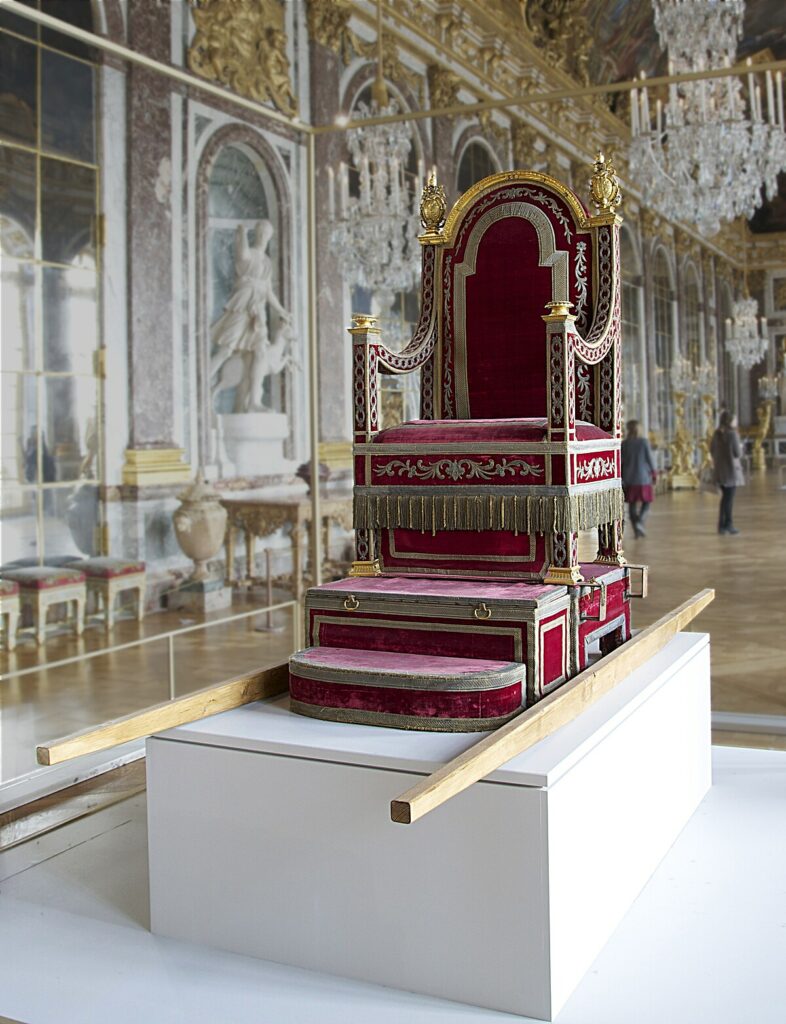
«… Palanquins (despak, litter) and especially the thrones and cushioned seats were greatly esteemed at the Armenian court, inasmuch as transporting the ladies of high rank and the ladies of ladies in palanquins was part of the established etiquette.
As regards the thrones and cushioned seats, their significance is known from the Armenian Gahnamak: They were more or less high and magnificent, made of noble metals and inlaid with gems, nearer to the king’s throne or farther from it — according to the officially established order and corresponding to the position and rank of the state officials and princes:
Even on the march of war that etiquette was strictly preserved»…
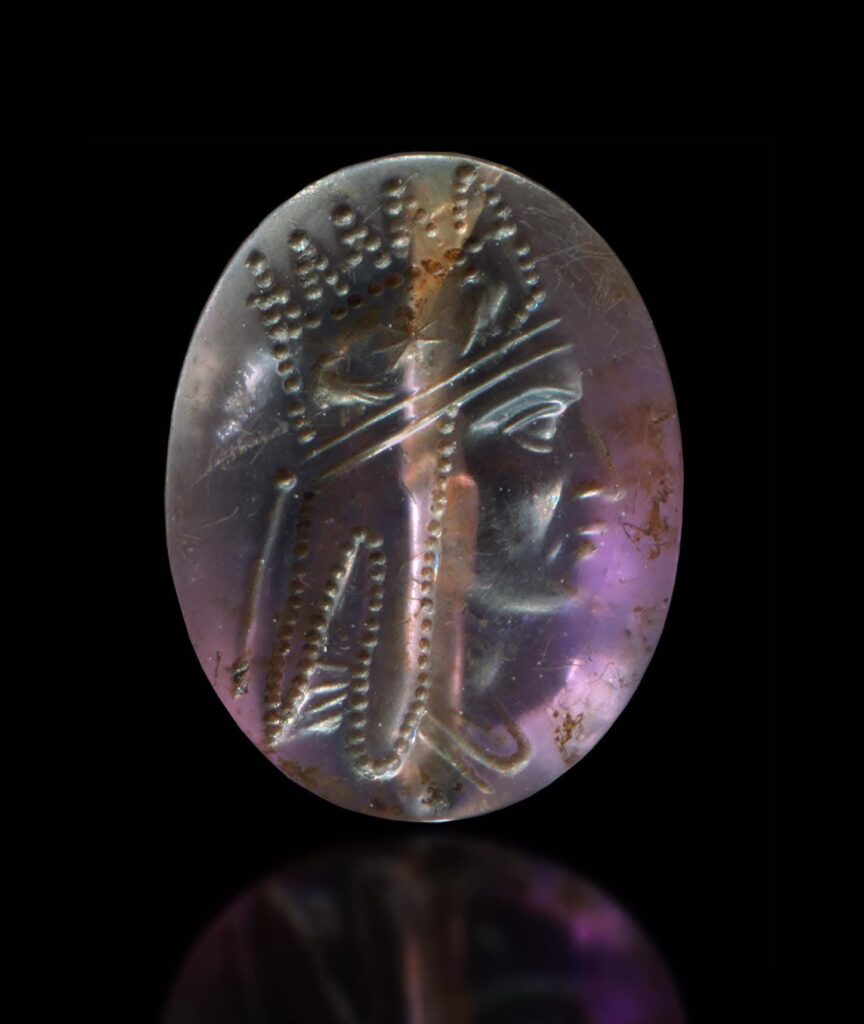
Photo — from Guillaume Aral’s page — with gratitude:
A highly valuable specimen with the portrait relief of Tigran the Great — from the personal collection of Guillaume Aral.