











«THE PHILOLOGIST IS LIKE A GEOLOGIST WHO, EXAMINING SOME ROCK, DETERMINES ITS FORMATION»…

«The philologist is like a geologist who, examining some rock, determines its formation, its deposits and layers, whether they have not been weathered in time…
Perhaps no field is so captivating and does not absorb the surplus of human curiosity as much as archaeology and the script, which is archaeology»,- writes the skilled connoisseur of medieval manuscript books, Doctor of Philological Sciences Artashes Martirosyan:
Emphasizing the great role that the position and geographical conditions of the land of the Armenians had in the political history of Hayk, he turns to the «religious campaign accompanying political conquests» and compares the Persian inscription concerning Shapuh, who «made the magi pre-eminent and honoured», with the description of Khorenatsi — revealing their similarity:
Thus it is attested once more that old tales and myths have often received a «new attire» with time:
«…Khorenatsi, telling what internal arrangements Artashir made in Armenia, writes.
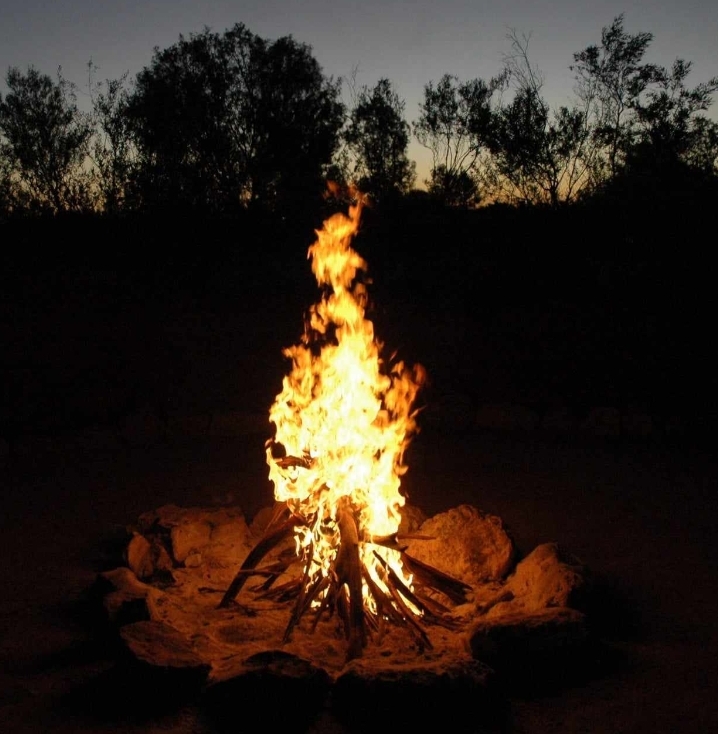
«And he urged the worship of the temples even more, and also commanded the Ormizdian fire, which is upon the Altar, in Bagavan, to be kindled unquenchable: But the images of his ancestors that Vagharshak had made together with suns and moon in Armavir, and which were transferred from Armavir to Bagaran and again to Artashat — those Artashir smashed»:
It is so truthful, it seems the historian drew it from the inscription of Kartir»…
…«We noticed some similarity in these conversions:
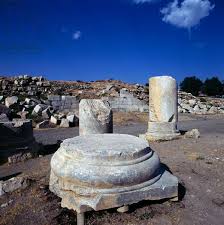
On both sides gods are rejected and on both sides the dwelling-places of the rejected gods are destroyed, and on their foundations fire-altars or altars rise:
In the inscription of Kartir and in the pages of Agathangelos there are astonishingly identical expressions. «The devs retreated from the land and were expelled: For the devs it was a great disgrace»,- it is said in Kartir.
«Taking flight in likenesses of many shapes, the demons fell towards the regions of the Chaldeans», «and the black-hosted demons, becoming invisible, vanishing from the place, dwindled away like smoke»,- it is said in the original text of Agathangelos:
Here too it was a great disgrace for the devs: Here too the devs suffered a great blow and torment:
«The images of their gods were smashed»,- writes Kartir.
«They smashed his image», «They smashed the golden image of the Anahitian female goddess»,- writes Agathangelos:
Kartir, by Shapuh’s command, gives great privilege to the magi, and everywhere temples and fire-altars of Ahura Mazda are erected:
Gregory likewise «by the sovereign command of the king and with the consent of all» erects crosses and houses of God: «And in all the cities of Armenia and in the villages and in the hamlets and in the estates he marked out places for the house of God»:
These similarities are not accidental.
They come from the same nature, so as to negate one another»…
«…Zoroastrianism here (in Armenia, K.A.) had some ground and tradition:
Artashir «commanded the Ormizdian fire to be kindled unquenchable», so — it did exist! Zoroastrianism had long been in contact with the religion of the Armenians»…(the quotations — from A. Martirosyan’s book «Mashtots», pp. 94-95):
Later the medieval chroniclers on various occasions mention among the Armenians the Sun-worshippers who did not accept the religion imposed by the foreigner — the «Arevordis» — presenting them as «azgav ev lezvav i tohme Hayots» — «by nation and by language of the Armenian stock», who avoided Christianity, or — considering them followers of «Zoroaster the magus».
«…And it remains incomprehensible why the true Armenian should call himself «Arevordi»; was it because he was a sun-worshipper? then why were the ancestral sun-worshipping Armenians too not so called before Christianity, while their supposed successors from the XII (12th, K.A.) century appear under this newly-fashioned name»,- notes the Armenian linguist and literary critic Grigor Vantsyan, excavating the small fragments remaining from old manuscripts — in his study examining «The question of the Arevordis»:
Some details concerning the Arevordis — from the said article — in the next one…